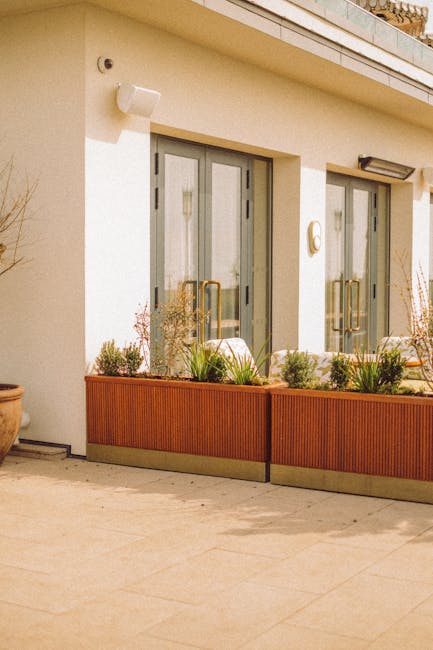
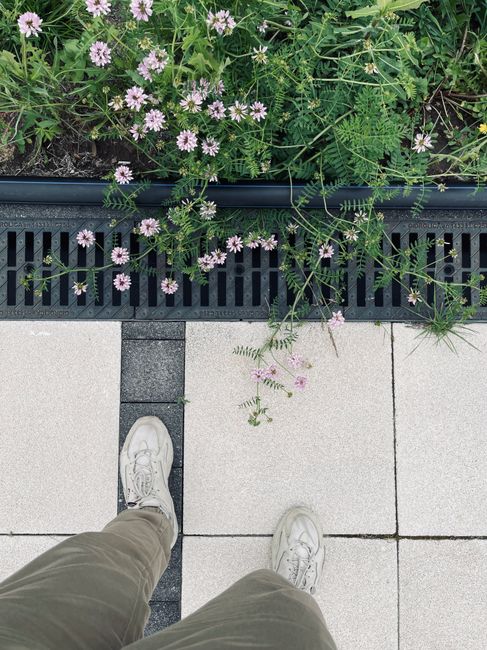
Small garden designers and gardeners for Silvertown Way terraces
If you live on Silvertown Way, you already know the charm and the challenge: terrace gardens can feel intimate, bright, and full of potential, but they can also be awkward, windy, shaded, or just plain narrow. That is exactly where Small garden designers and gardeners for Silvertown Way terraces make a real difference. With the right layout, planting choices, and maintenance plan, even a modest terrace can become a calm place to sit with a tea, grow herbs, or simply enjoy a bit of green after a long day.
This guide walks through what professional small-garden design actually involves, why it matters for terrace homes, and how to approach the project without wasting space or money. You will also find practical tips, common mistakes, a comparison table, a real-world style example, and a checklist you can use before speaking to a gardener. Straightforward, useful stuff. No fluff.
Quick guide: A well-designed terrace garden should feel easy to use, easy to care for, and suited to the light, wind, privacy, and access constraints of your home. That sounds simple, but in a tight urban space it takes a bit of thought.
Contents
- Why Small garden designers and gardeners for Silvertown Way terraces Matters
- How Small garden designers and gardeners for Silvertown Way terraces Works
- Key Benefits and Practical Advantages
- Who This Is For and When It Makes Sense
- Step-by-Step Guidance
- Expert Tips for Better Results
- Common Mistakes to Avoid
- Tools, Resources and Recommendations
- Law, Compliance, Standards, or Best Practice
- Options, Methods, or Comparison Table
- Case Study or Real-World Example
- Practical Checklist
- Conclusion
- Frequently Asked Questions
Why Small garden designers and gardeners for Silvertown Way terraces Matters
Terrace gardens are rarely blank canvases. They usually come with fixed railings, limited depth, awkward access, neighbouring sightlines, and a microclimate that changes from one corner to the next. On a street like Silvertown Way, you may also be dealing with exposure, reflected heat from paving or brickwork, and the simple reality that every square metre needs to earn its keep. That is why small-scale garden design is not just "nice to have". It is the difference between a space you use and a space you ignore.
A small garden designer looks at proportion, structure, planting, and flow. A gardener keeps the space healthy, seasonal, and maintained once the design is in place. Together, they help you avoid the classic terrace-garden trap: lots of little pots, a few impulse plants, and not much else. It can look busy for a month and then go downhill fast. We have all seen it.
For terrace homes, the aim is usually not to cram in more. It is to edit well. That might mean a seating area that fits two people comfortably, a narrow border that still gives colour across the year, or vertical planting that adds softness without taking up precious floor space. Small gardens reward restraint. They really do.
If you want broader ideas for low-fuss planting and structure, it is worth reading about smart and thrifty low-maintenance garden inspirations, especially if your terrace needs to look good without constant tinkering.
How Small garden designers and gardeners for Silvertown Way terraces Works
The process usually starts with observation. A good designer or gardener will spend time noticing where the sun falls, where the wind cuts through, how water drains, and how people actually move through the space. That first walk-through matters more than most people realise. A terrace that looks tiny on paper can feel surprisingly workable once the layout is understood.
From there, the work tends to follow a simple pattern:
- Measure and assess the space. Not just length and width, but height, access, boundaries, and changes in level.
- Define the purpose. Do you want a calm retreat, a family-friendly zone, edible planting, privacy, or a mixed-use space?
- Choose a structure. This can include paving, decking, planters, screens, seating, trellises, or raised beds.
- Select planting for the conditions. Sun, shade, wind, and soil depth should guide every plant choice.
- Build in maintenance logic. The best terrace gardens are easy to water, prune, and clear when needed.
It is also common for a gardener to support the design with practical services after installation. For example, if a terrace needs a cleaner base before replanting, a service like patio cleaning can make a huge difference to the final look. Likewise, if the space needs refreshed planting and a tidy-up before redesign begins, garden maintenance can get the bones of the space back into shape.
One thing that often gets overlooked: access. If the only route into the garden is through the flat, then every material and plant choice needs to be manageable. Heavy stone, oversized containers, or fragile planting schemes can become a nuisance very quickly. Practicality first. Decoration second, though ideally both.
Key Benefits and Practical Advantages
The best terrace garden design is not about style alone. It should make life easier, calmer, and more enjoyable. In small urban spaces, the benefits are often felt day to day rather than seen in dramatic before-and-after photos.
- Better use of space: Smart zoning can turn one small terrace into a seating area, planting strip, and privacy screen without making it feel cramped.
- More privacy: Carefully placed hedging, climbers, and screens soften sightlines and make the garden feel more enclosed.
- Lower maintenance: The right plant palette reduces weekly chores and keeps the garden looking composed.
- Improved resilience: Good design anticipates wind, winter dieback, and water stress rather than reacting later.
- Higher everyday enjoyment: A terrace that is comfortable to sit in will get used more often, simple as that.
- Better seasonal structure: Evergreens, grasses, and bark or timber features keep the space looking alive when summer blooms fade.
There is also a very practical property angle. A neat, coherent terrace creates a stronger first impression and can make the whole home feel more considered. Not flashy. Just cared for. That counts.
For spaces that need planting which stays attractive through the colder months, the article on keeping garden plants healthy in winter is a sensible companion read. If your terrace gets battered by gusts, the advice in protecting your garden from harsh weather is especially relevant.
Who This Is For and When It Makes Sense
Not every terrace needs a full redesign. Sometimes a good tidy-up, new containers, and a few well-chosen climbers are enough. But there are clear signs that specialist help would be worth it.
This service makes particular sense if you:
- have a terrace that feels cluttered or hard to use;
- want a more private outdoor space without building something heavy or intrusive;
- need planting that survives wind, shade, or changing light;
- prefer low-maintenance results rather than a high-upkeep display;
- have inherited a tired or neglected garden and do not know where to begin;
- want to combine seating, planting, storage, and access in one compact layout;
- are planning to sell or rent and want the outdoor area to feel more polished.
If you are the type who looks at the garden in January and thinks, "Right, this needs sorting," you are not alone. Winter exposes the structure of a garden. It is brutally honest. That honesty can actually help, because it shows what needs to be removed, retained, or rebuilt.
For neglected spaces, starting anew in a neglected garden offers a useful mindset: clear the noise first, then build back with intention.
Step-by-Step Guidance
If you are planning a terrace transformation, the cleanest way forward is to break the work into stages. You do not need to solve everything in one go. Truth be told, trying to do so is where many projects go sideways.
- Clarify the main purpose. Decide whether the space is mainly for relaxing, dining, growing, screening, or a mix.
- Map sunlight and shade. Spend a day noticing where the light falls in the morning, mid-afternoon, and evening.
- Measure access points and bottlenecks. Narrow doors, steps, and awkward corners affect what can be installed.
- Choose a fixed structure. This may be a simple path, seating pad, raised bed line, or deck area.
- Plan the planting zones. Group plants by water need and exposure. This makes aftercare far easier.
- Add privacy and height carefully. Use trellis, climbers, or slim hedging rather than bulky barriers where space is limited.
- Finish with details. Containers, lighting, and textures are what turn a decent terrace into somewhere you actually want to stay.
For many Silvertown Way terraces, container growing and vertical planting are the unsung heroes. They work because they respect the footprint of the space. If that sounds like your garden, you may find container gardening ideas and vertical gardening inspiration especially useful.
A realistic first-month plan often looks like this:
- Week 1: clear, measure, photograph, and decide on priorities;
- Week 2: install hard landscaping or key containers;
- Week 3: plant structural greenery and privacy layers;
- Week 4: add finishing touches and set a maintenance rhythm.
That rhythm matters more than people think. A small garden becomes manageable when each task has a home and a season. Otherwise, weeds and deadheading start stacking up. And then, well, nobody enjoys a Sunday morning rescue mission with a trowel in hand.
Expert Tips for Better Results
There are some small-garden habits that consistently pay off. They are not glamorous, but they work.
- Keep the palette restrained. Two or three main materials usually look calmer than five or six competing finishes.
- Use repetition. Repeated pots, repeated foliage, or repeated colours make compact spaces feel organised.
- Go for layered height. Ground cover, mid-height planting, and one or two taller focal points create depth.
- Choose plants that earn their place. Each plant should offer something: shape, scent, seasonal flowers, movement, or privacy.
- Respect the wind. On exposed terraces, use sturdy planting and avoid flimsy features that will annoy you later.
- Think in views. What do you see from inside the home, from the door, and while sitting down? Those sightlines matter.
If privacy is a priority, the right hedging strategy can be transformative. The guide on quick-grow hedges for privacy is helpful if you want a living screen rather than a solid fence. For more sculpted edging, hedge trimming can keep boundaries neat and balanced.
One slightly overlooked tip: leave at least one "breathing zone" in the design. A terrace packed edge to edge can feel busy, even if every item is attractive. A small patch of open paving or a clean corner can make the whole garden feel bigger. Funny how that works.
Common Mistakes to Avoid
Small gardens are forgiving in some ways and unforgiving in others. A bad decision is visible quickly, which is useful, but also annoying if you have just spent money on it.
- Overfilling the space: Too many planters, ornaments, and features make terraces feel tight and restless.
- Ignoring wind and drainage: Many terrace problems start here, especially with lightweight pots and poor drainage.
- Choosing plants for looks only: If a plant hates the site, it will struggle, no matter how lovely it was in the nursery.
- Using thirsty plants in hard-to-water spots: A beautiful but needy planting scheme can become a chore.
- Forgetting year-round structure: If everything looks good for six weeks and drab for the rest of the year, the design is incomplete.
- Skipping maintenance planning: Every garden needs some care. The trick is making that care realistic.
We often see people choose a theme before they understand the site. That can be backwards. It is better to let the terrace tell you what it can support, then style it accordingly. If your garden has been invaded by unwanted growth, the practical advice in weed control insights and long-lasting ivy control may save a lot of frustration.
And yes, a little mess at the start is normal. The key is not to let temporary chaos become permanent decor.
Tools, Resources and Recommendations
You do not need a shed full of specialist kit to improve a terrace garden, but a few reliable tools make life far easier. Good tools also protect plants, reduce waste, and make maintenance less of a drag.
A sensible starter kit includes:
- sharp secateurs for clean pruning cuts;
- a hand trowel and hand fork;
- watering cans or a hose with a gentle spray setting;
- gloves with decent grip;
- a stiff brush for cleaning paving and container edges;
- plant ties, canes, and clips for climbers and taller specimens;
- quality compost suited to the planting plan.
If you are building your own approach, the article on core tools every avid gardener should have is a handy starting point. For better soil use and waste reduction, turning waste into nutrient-rich soil is worth a look too.
For more design-minded readers, seating matters almost as much as planting. The article on crafting garden seating spaces gives good ideas for making even a small terrace feel welcoming. If you want more atmosphere in a partly shaded setting, shaded oasis creations may be useful as well.
There is no prize for using the most expensive materials. Honestly, the best terraces tend to be the ones where materials are chosen with care and repeated with confidence.
Law, Compliance, Standards, or Best Practice
For most domestic terrace gardens, the main focus is best practice rather than heavy regulation. Even so, responsible work still matters. Good gardeners think about safety, access, neighbour relations, and the practical implications of any structure they add.
Here are the basics worth keeping in mind:
- Safety first: Tools, ladders, and cutting work should be handled properly, especially where people move through a narrow outdoor space.
- Stable structures: Screens, trellis panels, tall planters, and climbing supports should be fixed securely so they do not shift in wind.
- Shared boundaries: If the terrace touches neighbouring property, be considerate about height, overhang, and access.
- Waste handling: Green waste should be disposed of or recycled responsibly, and compostable material should be separated where possible.
- Working practices: Reputable gardeners typically operate with insurance, clear terms, and a sensible health and safety approach.
It is also sensible to ask whether the work is covered by appropriate insurance and whether the team follows a documented safety process. If you are comparing providers, pages like insurance and safety, health and safety policy, and terms and conditions can help set expectations before any work begins.
On the privacy and admin side, it is also reasonable to check how a business handles your data and payments. For that, see privacy policy and payment and security. Small details, sure, but they build trust.
Options, Methods, or Comparison Table
There are a few ways to improve a Silvertown Way terrace, depending on budget, patience, and how hands-on you want to be. The right choice depends on whether you need a light refresh or a full transformation.
| Approach | Best for | Strengths | Limitations |
|---|---|---|---|
| DIY refresh | Small tidy-ups and planting updates | Low cost, flexible, personal | Easy to misjudge scale or plant choice |
| Gardener-led maintenance | Ongoing care and seasonal upkeep | Keeps the space healthy and neat | Does not always solve layout issues |
| Design plus build | Terraces needing structure and style | Most cohesive result, better flow | Higher upfront commitment |
| Phased improvement | Budgets spread across time | More manageable, less pressure | Takes longer to finish |
For many homeowners, a phased approach is the sweet spot. You can clear and stabilise the space first, then add hard landscaping, then finish with planting and styling. That way you are not making every decision under pressure. Pressure and patios do not mix terribly well, to be fair.
If you are leaning toward a broader transformation, the site's landscaping and decking services pages can help you understand the kinds of work that may be involved in a more structured terrace upgrade. For support beyond planting, general gardening services can be useful when a project needs both design and upkeep.
Case Study or Real-World Example
Imagine a terrace on Silvertown Way with a narrow paved area, a blank fence line, and a couple of large, tired pots left behind by the previous owner. The space gets some afternoon sun but also catches a fair bit of wind. The owners want somewhere to sit with coffee, a little privacy, and planting that does not demand constant attention.
A sensible redesign would probably start by clearing the clutter and checking the patio surface. If the paving has grime or moss, a clean-up makes the whole place feel more workable straight away. Then the design could introduce a slim seating zone, a row of medium planters against the boundary, and climbers on a trellis to soften the fence. A few evergreens would carry the structure through winter, while herbs or compact flowering plants could provide colour closer to hand.
If the owners wanted a bit more life in the vertical plane, the fence could support climbers or a light screen. If they wanted lower maintenance, they could choose robust planting and limit the number of different species. If they had children or pets, edges would need to be safe and clear enough to move around without constant dodging. Simple, but not simplistic.
For a space like that, the winning result is usually not dramatic on day one. It is the feeling three months later when the terrace still looks calm, the plants are holding their shape, and the owners actually sit outside instead of just glancing at it through the window. That's the point, really.
For readers who want to make the garden more family-friendly, the guides on children's play and learning and a child-centric garden offer some useful ideas that can be adapted even to compact terraces.
Practical Checklist
Use this before you brief a designer, gardener, or landscaper. It helps sharpen the brief and saves a lot of back-and-forth later.
- Measure the terrace and note any level changes or awkward corners.
- Identify sun, shade, and wind exposure across the day.
- Decide the main job of the space: relaxing, growing, screening, or mixed use.
- List any must-keep items, such as existing trees, pots, furniture, or features.
- Think about privacy needs from neighbours or nearby buildings.
- Set a realistic maintenance level: low, medium, or regular.
- Check access for materials, tools, and waste removal.
- Consider pets, children, or accessibility needs.
- Decide whether you want planting-only help or full design and build support.
- Gather a few photos of gardens you like, even if they are just rough references.
And one more small but helpful step: take a couple of photos of the terrace on a dull day and again when the sun hits it. The difference can be surprising, and it helps any professional understand the real light conditions. Morning coffee, late-afternoon glare, shadow from a neighbouring wall - all of it matters.
If you are ready to explore options, you can start with the team's about us page and then move on to pricing and quotes when you are ready to compare ideas.
Conclusion
Small terrace gardens ask for careful thinking, but they reward it generously. On Silvertown Way, where outdoor space may be compact, exposed, or just a little tricky, the right mix of design and maintenance can turn a plain terrace into a genuinely useful part of the home. Not every garden needs to be lush and overflowing. Some of the best ones are calm, balanced, and easy to live with.
Get a free quote today and see how much you can save.
If you want a terrace that looks good, feels private, and stays manageable across the seasons, the next move is simple: get the space assessed properly, then build a plan that suits your real life rather than an idealised version of it. That is how good gardens last. And honestly, that is what makes the whole thing worth doing.
Frequently Asked Questions
What do small garden designers and gardeners for Silvertown Way terraces actually do?
They plan and maintain compact outdoor spaces so they work better in real life. That usually includes layout ideas, planting choices, privacy screening, container design, cleaning, and seasonal care.
Is a terrace garden worth redesigning if it is very small?
Yes, often more so than larger spaces. Small gardens can look and feel dramatically better with a few smart decisions. The key is making sure every element has a clear purpose.
What plants work best on windy urban terraces?
Hardier, more flexible plants usually perform best. Evergreens, tough grasses, and plants with sturdy stems are often more reliable than delicate, top-heavy varieties. Site conditions should guide the final choice.
Can a gardener help with privacy on a terrace?
Absolutely. Privacy can be created with hedges, climbers, trellis panels, tall containers, and careful layout. A good solution should feel soft and natural rather than boxed in.
How do I make a small terrace look bigger?
Use repetition, restrained materials, and a clear layout. Keep some open space visible, and avoid filling every corner. Vertical planting can help too, as can lighter colours and simple lines.
Should I choose decking or paving for a terrace garden?
It depends on the look you want, the surface condition, and how you plan to use the space. Decking can feel warmer and more relaxed, while paving is often easier to keep tidy. The right answer is the one that suits the site.
How much maintenance does a small terrace garden need?
That depends on the planting and materials you choose. A low-maintenance scheme may only need light pruning, watering, and occasional cleaning, while a richer planting plan will need more regular attention.
What should I ask before hiring a gardener or designer?
Ask about their approach to small spaces, how they handle drainage and wind, whether they can work within your budget, and how maintenance will be handled after installation. It is also sensible to ask about insurance and working practices.
Can a neglected terrace be restored without starting from scratch?
Very often, yes. Many terraces just need clearing, reshaping, and a better planting plan. Starting from scratch is not always necessary, and sometimes it would be a waste to remove good structure that can still work.
What is the best time of year to improve a terrace garden?
There is no single perfect moment, but many people like to plan in late winter or early spring so planting and structure can be introduced ahead of the main growing season. That said, practical maintenance and redesign work can happen year-round.
Do I need professional help for container gardening on a terrace?
Not always. But if the space is awkward, exposed, or you want a more polished result, professional help can save time and prevent expensive mistakes. Containers are flexible, but they still need a proper plan.
How do I keep costs under control?
Start with the essentials: clear the space, define the purpose, and prioritise the hardest problems first. Phased work is often the most budget-friendly option. If you need pricing clarity, a proper quote is the best place to begin.
Can I mix edible plants and decorative planting on a small terrace?
Yes, and that is often a very good idea. Herbs, compact salad plants, and small fruiting crops can be mixed with ornamentals if the light and watering needs are compatible. It keeps the space practical and attractive.