Emergency tree and garden rescue North Woolwich gardeners on call
When a storm rolls through and leaves a branch dangling over the fence, a lawn churned into mud, or a hedge smashed flat against the path, you need more than a standard tidy-up. You need calm, quick, practical help. That is exactly where Emergency tree and garden rescue North Woolwich gardeners on call comes in: a responsive, local approach to making a garden safe, workable, and presentable again before the damage snowballs.
In North Woolwich, weather, wind exposure, awkward access, and dense urban gardens can all turn small problems into urgent ones. A fallen limb can block access. Slipped turf can become a trip hazard. Broken fencing can expose a property overnight. This guide explains how emergency garden rescue works, when to call, what good service looks like, and how to avoid the common mistakes that make a bad situation worse. If you want a solid next step, it also helps to understand the wider service picture through general gardening support in North Woolwich and the practical safety focus outlined in the health and safety policy.
Truth be told, the most stressful part is usually not the visible mess. It is the uncertainty. Can that tree wait until morning? Is the boundary stable? Will the garden recover, or do you need proper intervention now? Let's answer that clearly and without fluff.
Table of Contents
- Why emergency tree and garden rescue matters
- How emergency tree and garden rescue works
- Key benefits and practical advantages
- Who this is for and when it makes sense
- Step-by-step guidance
- Expert tips for better results
- Common mistakes to avoid
- Tools, resources and recommendations
- Law, compliance, standards, or best practice
- Options, methods, or comparison table
- Case study or real-world example
- Practical checklist
- Conclusion
- Frequently asked questions
Why Emergency tree and garden rescue North Woolwich gardeners on call Matters
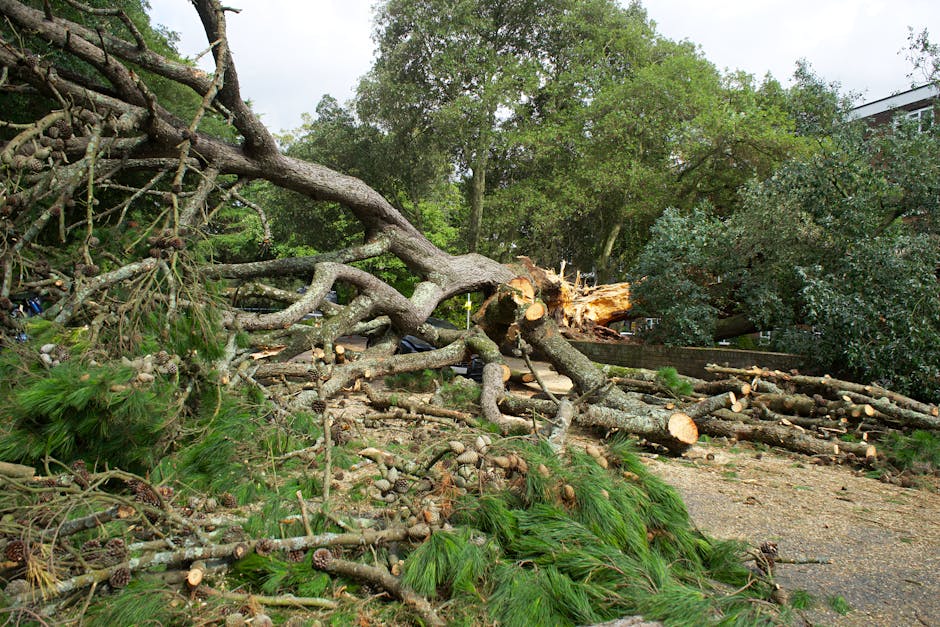
Emergency garden work is not just about making things look neat again. It is about reducing immediate risk and preventing a manageable problem from becoming expensive. In North Woolwich, gardens can be exposed to strong winds, sudden rain, saltier air near the river, and the sort of weather that moves quickly from annoying to destructive. A tree with a split limb, a hedge leaning into a footpath, or a heavy pile of wet debris can affect safety, drainage, and access all at once.
There is also the practical reality of urban living. Many properties have limited side access, shared boundaries, or awkward corners where damage spreads fast. A broken fence panel can let pets out. A tree branch can crush planting beneath it. A waterlogged bed can compact into a messy, slippery patch if people keep walking over it. Once that happens, the knock-on effects are not subtle.
Emergency support matters because it gives you a structured response. Not a vague promise, not a "we'll pop round sometime." A proper on-call gardener or tree rescue team should know how to assess the site, make it safe, prioritise the most urgent work, and leave you with a clear plan for follow-up. That is especially important after storms or during seasonal transitions, when the garden is already under stress.
Expert summary: emergency tree and garden rescue is best understood as a safety-first service. The goal is to stabilise hazards, protect the property, and get the garden back under control before further damage sets in.
You will notice the difference quickly: less panic, fewer improvised fixes, and a much clearer path back to normal. And honestly, that matters when the weather has already done enough damage for one day.
How Emergency tree and garden rescue North Woolwich gardeners on call Works
A good emergency response follows a simple logic: assess, secure, remove, restore. It sounds straightforward, but the details matter. A rushed cut in the wrong place, or dragging debris across soft ground, can create more trouble than it solves.
1. Initial contact and problem description
The process usually starts with a quick call or enquiry. You describe what has happened, where the issue is, and whether there is any immediate danger. Good teams will ask focused questions: Is the tree still moving? Is the branch touching power lines? Is there broken glass, an unstable wall, or blocked access? Those questions are not nosy. They help decide how urgent the response needs to be.
If the issue is severe, you should avoid standing directly beneath unstable branches or trying to pull debris free. That bit sounds obvious until you are staring at a half-uprooted shrub in the rain and thinking, "I can probably just move that myself." To be fair, most people think that once.
2. On-site assessment
On arrival, the gardener or tree specialist will assess hazards first and aesthetics second. The site check normally covers tree stability, limb damage, root disturbance, fencing impact, soil conditions, drainage issues, and any risk to buildings or neighbouring property. If the work involves larger trees or structural damage, the team may treat it more like a tree surgery task than a simple tidy-up.
3. Making the area safe
This is where urgency becomes practical. Making the area safe may involve cordoning off a section, removing loose debris, stabilising leaning material, and cutting back broken growth that could fall further. If a fence or boundary is compromised, emergency work may include temporary securing until permanent repairs can be arranged. If the issue is around a patio or deck edge, surface slip hazards should be dealt with early. The difference between "messy" and "unsafe" is not always dramatic. Sometimes it is one wet plank or one hidden branch stub.
4. Controlled removal and clearance
Once hazards are contained, the team can remove damaged branches, clear broken plant material, rake away debris, and restore access. This stage may involve green waste collection and some initial reshaping. If the garden is badly churned, the aim is not perfection in one visit. It is to create a stable, manageable base for recovery.
5. Repair, restoration, and follow-up advice
After the emergency itself is handled, the best teams offer realistic advice. That might include pruning schedules, drainage improvements, replanting options, or temporary aftercare for shrubs and turf. If your garden has suffered repeated wind damage, it may be worth reviewing longer-term protection strategies too, such as the ideas discussed in this guide to protecting gardens from harsh weather and practical wind protection tips.
Key Benefits and Practical Advantages
Emergency garden rescue is valuable because it solves more than one problem at once. A competent response can protect people, preserve plants, and reduce long-term repair costs. That is the sort of work that pays for itself in stress avoided, which is not a scientific metric, but you know what I mean.
- Immediate safety: unstable branches, broken fencing, and slippery debris are dealt with quickly.
- Less secondary damage: fast intervention helps prevent rot, soil compaction, pest entry, and spread of breakage.
- Better plant survival: damaged shrubs, hedges, and trees can often be stabilised or pruned in a way that improves recovery.
- Cleaner access: driveways, paths, gates, and side passages can be cleared so daily life carries on.
- Insurance-friendly documentation: if you need records of damage and response, a professional visit gives you a stronger paper trail.
- Peace of mind: sometimes the real value is simply knowing someone competent has looked at the problem.
The wider garden often benefits too. For example, emergency work can reveal hidden issues like poor drainage, unstable sleepers, overgrown ivy, or neglected hedging that has been catching the wind. A rushed storm clean-up might expose the real culprit, which is useful in the long run. If overgrowth is part of the picture, it may be worth exploring hedge trimming in North Woolwich once the emergency is under control.
Who This Is For and When It Makes Sense
Emergency tree and garden rescue is not only for dramatic storm damage. It makes sense for a wide range of situations, some obvious and some less so.
Homeowners
If a tree limb has broken, a border has collapsed, or garden access has become unsafe, homeowners usually need a quick response. This is especially true if children, older residents, or pets use the garden regularly.
Landlords and letting agents
Vacant or tenanted properties can suffer from delayed reporting. A storm may happen on Friday night, but the problem is not noticed until Monday. In those cases, emergency rescue is often about limiting liability, restoring safe access, and preventing complaints from spiralling.
Busy families
When life is already full, the garden can't wait for a "maybe next week" slot. Fallen branches, mud, and broken panels become a practical nuisance fast. If you have children using the garden, a damaged space can't be ignored for long.
Dog owners
A broken fence gap or sharp debris is an immediate concern. If you are trying to maintain a safe outdoor space for pets, the relevant thinking overlaps with the advice in creating a garden retreat for dog-loving households, though in an emergency the priority is simply containment and safety.
People with established trees or dense planting
Older trees, mature hedges, climbers, and densely planted borders can all become heavy and vulnerable under wind load. If you have substantial planting that needs handling carefully, a responsive team with tree and garden experience is worth calling. For ongoing support, services such as tree surgery and garden maintenance often sit neatly alongside emergency rescue.
Step-by-Step Guidance
If you are dealing with a sudden garden problem right now, here is the most sensible sequence to follow.
- Pause and look for immediate danger. Check for hanging branches, leaning trunks, exposed roots, damaged walls, loose panels, or blocked exits. Do not stand close if something still looks active or unstable.
- Keep people and pets away from the hazard. Close gates, move children indoors, and stop anyone from walking under or around compromised areas.
- Take a few clear photos from a safe distance. If insurance or landlord reporting is needed later, this helps. Keep it simple. No heroic close-ups.
- Describe the issue clearly when you contact a gardener. Say what happened, when it happened, and whether access is restricted. Mention any urgent risks such as glass, loose masonry, or collapsed fencing.
- Ask what the first visit will focus on. A good operator should explain whether they are coming to stabilise, clear, prune, or plan a larger follow-up job.
- Let the emergency work happen before discussing aesthetics. This is the bit people sometimes skip. A tidy finish matters, yes, but safety comes first.
- Review the aftercare advice carefully. Your garden may need watering adjustments, mulch replacement, pruning, or a short period of monitoring after the rescue.
- Book follow-up work if needed. That may involve fencing, turf repair, reshaping, drainage correction, or fuller landscaping. If the aftermath is more widespread, a service like landscaping support may be the right next step.
One small but useful tip: if the damage happened during windy or wet weather, do not rush to tidy the garden completely before a professional has seen it. Evidence of what moved, broke, or fell can matter more than a perfect-looking border. Strange, but true.
Expert Tips for Better Results
Emergency garden work goes better when the response is decisive and the follow-up is sensible. A few practical habits help a lot.
- Photograph the garden before moving anything. Even if the space looks awful, a clear record helps with decisions later.
- Prioritise structural risk over plant recovery. A broken fence line or unstable trunk should come before saving a flower bed.
- Keep pruning conservative where possible. Over-cutting a stressed tree or shrub can make recovery harder. Sometimes a careful cut is smarter than a dramatic one.
- Think about drainage once the debris is gone. Water pooling after storm damage often shows where the real weakness is.
- Use temporary solutions only where they are genuinely safe. A loose panel might be braced, but don't improvise with unstable materials if you are not sure.
- Plan for the next season, not just today. The garden should recover into something more resilient, not simply look neat for 24 hours.
We often find that the best results come from combining emergency rescue with measured follow-up. That might mean better wind screening, improved hedge structure, or removing weak growth before it fails again. If the garden is particularly exposed, the article on artistic hedge trimming offers a useful perspective on shaping growth so it holds up better.
And yes, one good old-fashioned rule still stands: if you are not sure whether a branch is safe, assume it is not. Better to look cautious than to be collecting broken twigs at dusk.
Common Mistakes to Avoid
Most emergency garden headaches are made worse by a few predictable missteps. Avoiding them can save time and money.
Trying to handle unstable trees alone
This is the biggest one. A branch that looks light from the ground can be under huge tension. Pulling, sawing, or leaning on it can trigger movement you did not expect.
Ignoring small damage because it "looks manageable"
A slightly split trunk, a lifted panel, or a sagging hedge can be the beginning of a bigger failure. Small signs often matter more than the drama of the storm itself.
Cutting too much at once
When people panic, they sometimes cut away half the plant material in one go. That can stress trees and shrubs further. In some cases, measured reduction is better than a severe chop.
Walking on saturated ground
Soft soil compresses easily. Once compacted, it drains poorly and can stay damaged for weeks. If the ground is wet and fragile, keep foot traffic low.
Putting aesthetics ahead of safety
A garden can be restored gradually. A dangerous limb cannot wait just because the rest of the border still looks good.
Forgetting aftercare
The rescue is the start, not the finish. Damaged plants may need watering adjustments, support, mulching, or a later prune to encourage healthy regrowth. If you need to rebuild a neglected area after an incident, this guide to restarting a neglected garden is well worth a look.
Tools, Resources and Recommendations
Emergency response does not require a truck full of exotic equipment, but the right tools do make a difference. On the ground, a good team will usually rely on practical kit suited to both safety and clean-up.
- Hand saws and loppers for controlled cutting
- Secateurs for smaller pruning and tidy finishing
- Tarps or bags for debris containment
- Gloves, eye protection, and sturdy footwear
- Basic supports for temporary stabilisation
- Rakes, brooms, and clear-up tools for paths and lawns
- Braces or temporary fixings where a fence or panel needs short-term support
For gardeners at home, a modest kit is often enough for safe, small tasks. A decent pair of gloves, a sharp pair of secateurs, and a sturdy rake are surprisingly useful after wind damage. If you want to improve your everyday preparedness, core tools every avid gardener should have is a practical companion read.
Useful service links can also help you plan next steps after the emergency is under control. For example, a combination of garden maintenance, lawn care, and patio cleaning can restore the wider space once the urgent hazards are cleared.
Law, Compliance, Standards, or Best Practice
For emergency tree and garden work, the main principle is straightforward: do the job safely and in line with sensible UK good practice. You do not need to become a legal expert, but a trustworthy service should act with care around people, property, and any potentially hazardous site conditions.
Where trees are involved, the work should be carried out with suitable attention to risk assessment, safe access, and the condition of the tree itself. If a tree may affect a boundary, a path, or neighbouring property, communication matters. In practical terms, that means documenting the issue, warning about immediate risk where needed, and avoiding guesswork.
For garden work more broadly, good practice usually includes:
- checking for hidden hazards before starting
- using the right tools for the size of the job
- protecting surfaces and access points where possible
- separating emergency stabilisation from cosmetic finishing
- being honest about what can be fixed immediately and what needs follow-up
If you are comparing providers, it is sensible to ask about their safety approach, insurance awareness, and how they handle waste and site clean-up. A transparent service should also have straightforward processes around quotes, payment, and complaints, which is why pages such as pricing and quotes, payment and security, and the complaints procedure can be reassuring to review.
One small but important note: if damage touches a boundary with a neighbour, staying courteous is not just good manners, it also makes the whole process easier. A quick heads-up can prevent a lot of awkwardness later.
Options, Methods, or Comparison Table
Not every urgent garden problem needs the same response. The right method depends on the type of damage, the level of danger, and how quickly the space needs to be usable again.
| Situation | Best approach | Typical outcome |
|---|---|---|
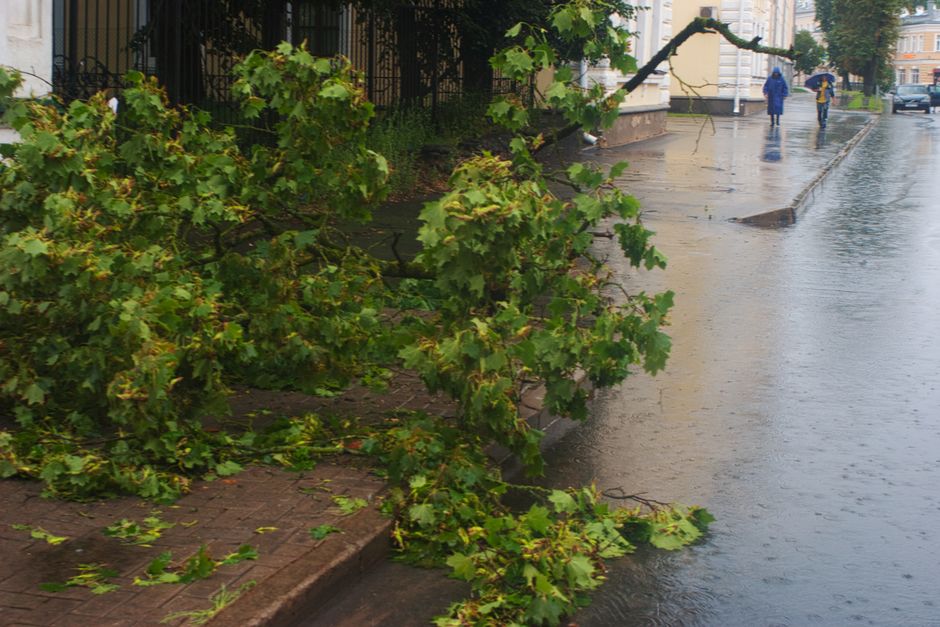
| Loose branch over a path | Immediate hazard assessment, controlled removal, clear-up | Safe access restored quickly |
| Wind-blown hedge collapse | Stabilise, trim, and reduce weight; follow up with reshaping | Boundary made safer and tidier |
| Fallen tree or major limb | Prioritise tree rescue or tree surgery, then site clearance | Risk reduced, then recovery plan |
| Broken fence after storm damage | Temporary securing if possible, then repair or replacement | Property and pet security improved |
| Waterlogged or churned border | Protect soil, reduce traffic, repair drainage, replant later | Longer-term garden recovery |
If the issue is mostly plant damage and seasonal stress rather than structural hazard, a maintenance-led response may be enough. For wind-prone gardens, it is worth looking at weather protection advice and winter plant care guidance so the same type of problem does not keep coming back.
Case Study or Real-World Example
Picture a typical North Woolwich garden after a blustery night: one mature shrub is folded over at an angle, a fence panel has cracked at the post, and half the path is covered in wet leaves and broken twigs. Nothing sounds dramatic on its own. Together, though, it's enough to make the space hard to use and slightly risky.
In a real-world style response, the first priority would be to check the unstable parts and make the route safe. The overhanging branch would be assessed before any clean-up. The fence would be supported or isolated if it was loose. The debris would be cleared from the path so nobody slips. Only after that would the team decide whether the shrub could be restored with selective pruning or whether it needed a fuller reshape.
The follow-up might be surprisingly simple: re-support the plant, re-seat disturbed soil, replace a small section of fencing, and plan a future tidy-up once the garden has dried out. Often, that is enough to turn a stressful morning into a manageable repair list. Not glamorous, no. Effective, yes.
The useful lesson is that emergency garden rescue is rarely about one dramatic action. It is usually a sequence of small, sensible decisions made in the right order.
Practical Checklist
Use this checklist if your garden has just taken a hit and you need to respond quickly.
- Keep everyone away from unstable trees, branches, panels, or broken surfaces.
- Check for hidden hazards such as glass, exposed roots, or slippery ground.
- Take safe-distance photos for records before moving debris.
- Make sure access points, gates, and paths are clear enough for a proper inspection.
- Describe the problem clearly when arranging emergency help.
- Ask whether the work is likely to be stabilisation, clearance, pruning, or a larger repair.
- Do not overcut healthy growth just to make the space look neat fast.
- Protect saturated soil by reducing foot traffic.
- Review the garden again after rain, because some damage only shows up when water settles.
- Arrange follow-up work for fencing, drainage, replanting, or shaping if needed.
If you want to keep the whole garden resilient after recovery, wider improvements may help too. Ground cover, shade planting, and thoughtful structure can all reduce stress in bad weather; that is where pieces like ground covers for a vibrant UK garden and shaded oasis creations can feed into a smarter long-term plan.
Get a free quote today and see how much you can save.
Conclusion
Emergency garden damage is never welcome, but it does not have to become chaos. The right response is calm, fast, and practical: secure the hazard, clear the space, and then decide what recovery looks like. In North Woolwich, where wind and weather can turn a minor weakness into a messy afternoon, having gardeners on call is less of a luxury than it sounds.
The best emergency tree and garden rescue work does three things well. It protects people. It protects the property. And it gives the garden a realistic path back to health, not just a rushed cosmetic fix. That balance matters. A lot.
If you are dealing with storm damage, broken fencing, unstable branches, or a garden that simply cannot wait, the next sensible step is to speak with a local team that understands both urgency and long-term recovery. When handled properly, even a rough-looking garden can come back stronger than before.
Sometimes the garden just needs a steady hand and a bit of patience. That's all. And that, honestly, is a relief.
Frequently Asked Questions
What counts as an emergency tree or garden rescue situation?
Anything that creates immediate risk or blocks safe access can count as an emergency. Common examples include fallen branches, leaning trees, broken fences, collapsed hedges, and slippery debris after storm damage.
Should I try to clear a fallen branch myself?
Only if it is clearly small, stable, and safe to move. If the branch is under tension, near a structure, or part of a larger damaged tree, leave it alone and get professional help.
How quickly should emergency garden help arrive?
That depends on the severity of the issue and local availability. A genuine emergency should be treated as soon as possible, especially if the problem affects safety, access, or property security.
Can emergency garden work include tree surgery?
Yes. If the issue involves a major limb, a split trunk, or unstable tree growth, the job may move beyond tidy-up work and into tree surgery or more specialised intervention.
Is emergency garden rescue only for storm damage?
No. It can also be needed after sudden branch failure, fence collapse, root disturbance, drainage problems, or accidental damage that makes the garden unsafe or unusable.
What should I do before the gardeners arrive?
Keep people and pets away from the hazard, take photos from a safe distance, and avoid moving unstable debris. If access is possible, clear a safe route to the garden entrance.
Will the garden look perfect after an emergency visit?
Not always, and that is normal. The first priority is to make the area safe and functional. A follow-up visit may be needed for shaping, replanting, or more detailed restoration.
How do I know whether I need maintenance or emergency help?
If the garden is unsafe, blocked, or at risk of further damage, you likely need emergency help. If the issue is routine pruning, mowing, or general tidying, then standard maintenance is usually enough.
Does emergency garden rescue help with broken fences?
Yes, if the fence damage is affecting safety, privacy, or pet containment. Temporary securing may be possible before a more permanent repair or replacement is arranged.
What if the damage has made the ground muddy and slippery?
Keep foot traffic off the area where possible. Wet, compacted soil can suffer more damage quickly. A proper clear-up and recovery plan will usually include ground protection or later repair.
Can I ask for follow-up work after the emergency is handled?
Absolutely. In fact, that is often the smart move. Follow-up might include hedge trimming, landscaping, lawn recovery, fencing, or drainage improvements to stop the same issue recurring.
How do I choose a trustworthy local team?
Look for clear communication, a sensible safety approach, transparent pricing, and practical advice that matches the situation. A trustworthy team will explain what needs doing now and what can wait.